
TEMIC
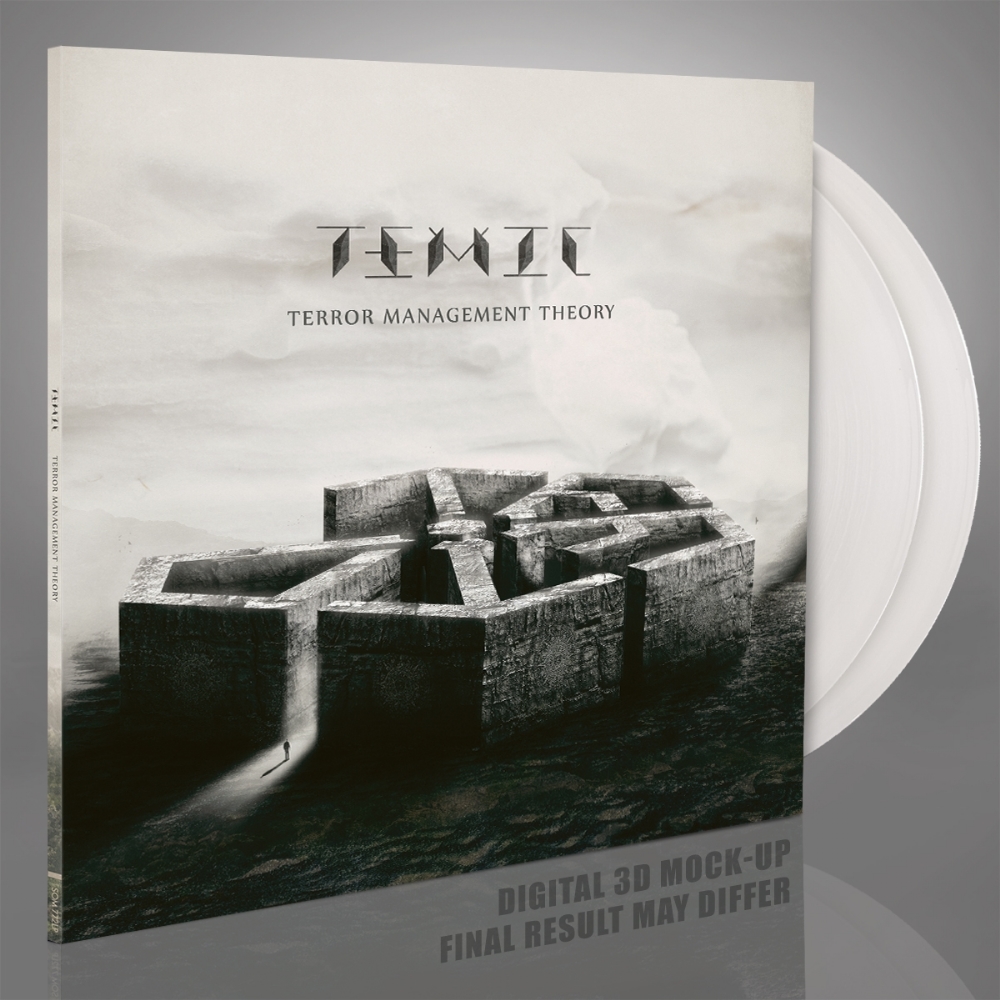
LPTerror Management Theory
About This Album
White double vinyl, LTD to 300 copies!
Sign in to purchase
Create an account or sign in to add items to your cart
Album Review
Terror Management Theory is the kind of debut that would have blown straight through the doors of CBGB in 1977, all gleam and circuitry instead of leather and safety pins, a futurist prog-metal machine built for kids who grew up on Rush but now dream in neon and zeros and ones. TEMIC doesn’t just flirt with technology—they wire it into the bloodstream of every chorus, turning existential dread into something you can shout along with while the lights strobe like a mainframe about to overload.[1][2][3] ## Dreaming in chrome and neon The band comes loaded with pedigree: ex‑Haken keys wizard Diego Tejeida and guitar hotshot Eric Gillette have already done their time in the virtuoso trenches, but here they trade long-form showboating for tight, radio‑ready architecture. Around them, drummer Simen Sandnes and vocalist Fredrik Klemp keep everything moving like a well‑oiled arena machine, all precision groove and skyscraping hooks, more Boston‑meets‑Yes than basement jam band.[4][5][6] From the opening fanfare “TMT,” the record announces itself like an overture on laserdisc: synth swells, cinematic drums, and that gleaming, “bright and punchy” production job that makes every snare crack feel like a light bulb popping over your head. It’s the sound of prog stepping into the shopping‑mall age, all glass atriums and chrome railings, refusing to pick sides between rock radio and headphone epics.[2][3][4] ## Hooks at the edge of the void “Through the Sands of Time” is where the album’s thesis comes into focus, turning the psychological theory of staring down your own mortality into a widescreen anthem that could have sat comfortably between Kansas and Styx on a late‑night FM dial. The chorus doesn’t so much arrive as crest, a wave of multi‑tracked vocals urging you to “fly high” while the rhythm section shifts under your feet in clever, almost invisible time changes.[3][1][2] “Falling Away” dives headfirst into the cosmic abyss it sings about, drifting “into a black hole made of stars” on cushions of starry‑eyed synths and a slow‑burn build that would make Alan Parsons proud. It’s anxiety rendered as disco‑era sci‑fi, a song about the end of everything dressed in a melody you’ll still be humming when you’re waiting for the bus on Monday. “Count Your Losses,” by contrast, grinds its teeth; the riffs come down hard and “crush out tech riffs by the ton,” like a metal band that spent its formative years studying both Mahavishnu Orchestra and early Judas Priest.[7][8][1][3] ## Skeletons in a mirrored room The middle stretch is where the album gets closest to true 70s excess, but with a 21st‑century attention span. “Skeletons” pushes past the seven‑minute mark with sermon‑like verses and a chorus that feels like a stadium chant, the lyric caught between religious disillusion and personal emancipation: “I don’t need redemption / I don’t need your grace,” delivered over a surge of guitars and synth brass.[1][4][3] “Acts of Violence” and the instrumental “Friendly Fire” are the record’s deep cuts, the kind of tracks tape‑trading obsessives would rewind to study the drum fills. One review likened “Friendly Fire” to a boss‑battle theme from a video game, and that’s exactly how it hits: sleek, staccato, and unashamed of its arcade‑ready flash. It’s where Tejeida’s “aggressively toned bleeps and bloops” finally take center stage, beaming in from some chrome‑lined data center the rest of rock hasn’t found yet.[4][2][3] ## A prog epic for the mall age By the time the closing epic “Mothallah” unfurls, TEMIC has made good on the promise of its own name—“dream”—turning all that talk of death and dread into a strangely hopeful space‑age lullaby. Over seven minutes, the band keeps “reaching for the sky,” riding heroic falsetto and ascending chords like a rocket breaking through atmosphere, less funeral dirge than late‑night drive toward a horizon you’re not ready to give up on yet.[6][7][2][1] If there’s a knock on Terror Management Theory, it’s that these kids might be a little too well‑behaved for their own good; more than one critic has pointed out that the album can feel “predictable” in its structures, its many “chorus bombs” detonating right on schedule. But for listeners raised on AOR gloss and the rising tide of prog ambition, that polish is a feature, not a bug—a promise that you can wrestle with the fear of the grave and still come out singing something huge, meticulous, and strangely comforting as the lights go down on another uncertain decade.[9][3][1][4] [1](https://temic.bandcamp.com/album/terror-management-theory) [2](https://www.youtube.com/watch?v=DzMcZm2x8uI) [3](https://theprogressivesubway.com/2023/11/13/review-temic-terror-management-theory/) [4](https://www.angrymetalguy.com/temic-terror-management-theory-review/) [5](https://temicband.com/About) [6](https://www.season-of-mist.com/bands/temic/) [7](https://thebandwagonusa.com/en-ca/products/temic-terror-management-theory-crystal-clear-2lp-new-artist) [8](https://shop.season-of-mist.com/list/temic-terror-management-theory) [9](https://www.progarchives.com/album.asp?id=83686) [10](https://www.youtube.com/watch?v=UrjyX3bBwXk&list=PLArAJlC1y55__rXdglkrUsveYmW1Bb7rf&index=44) [11](https://seasonofmist.myshopify.com/products/temic-terror-management-theory-cd) [12](https://open.spotify.com/album/3bYYm98M9pcR3gZl9AZGEI) [13](https://yourlastrites.com/2023/11/28/temic-terror-management-theory-review/)
Share Your Review
Contribute a Review
Share your thoughts about this album and get a 5% discount code when approved!